Oftentimes, a night of bourbon drinking leads to less-than-responsible behavior and nothing but regrets the morning after.
But for Alex Holderness and John Bourne, a pair of Yale Business School graduates who were working in finance in New York City after receiving their MBAs, throwing back tumblers one evening at the Old Town Bar in the Flatiron District of New York City actually took them to a very good place. Namely, the creation of a premium apparel brand that in the great tradition of bespoke British tailors on Savile Row and shirt makers on Jermyn Street bears their last names.

To be sure, it took a while to get there once the corn liquor had worn off. There were trips to New York City’s Garment District, to check out cut-and-sew contractors as well as fabric wholesalers and specialty trim shops. And lots of discussion about how to turn an idea into an actual product and then a business. The process also involved plenty of prototyping before it came time to peddle the first line of Holderness & Bourne shirts.
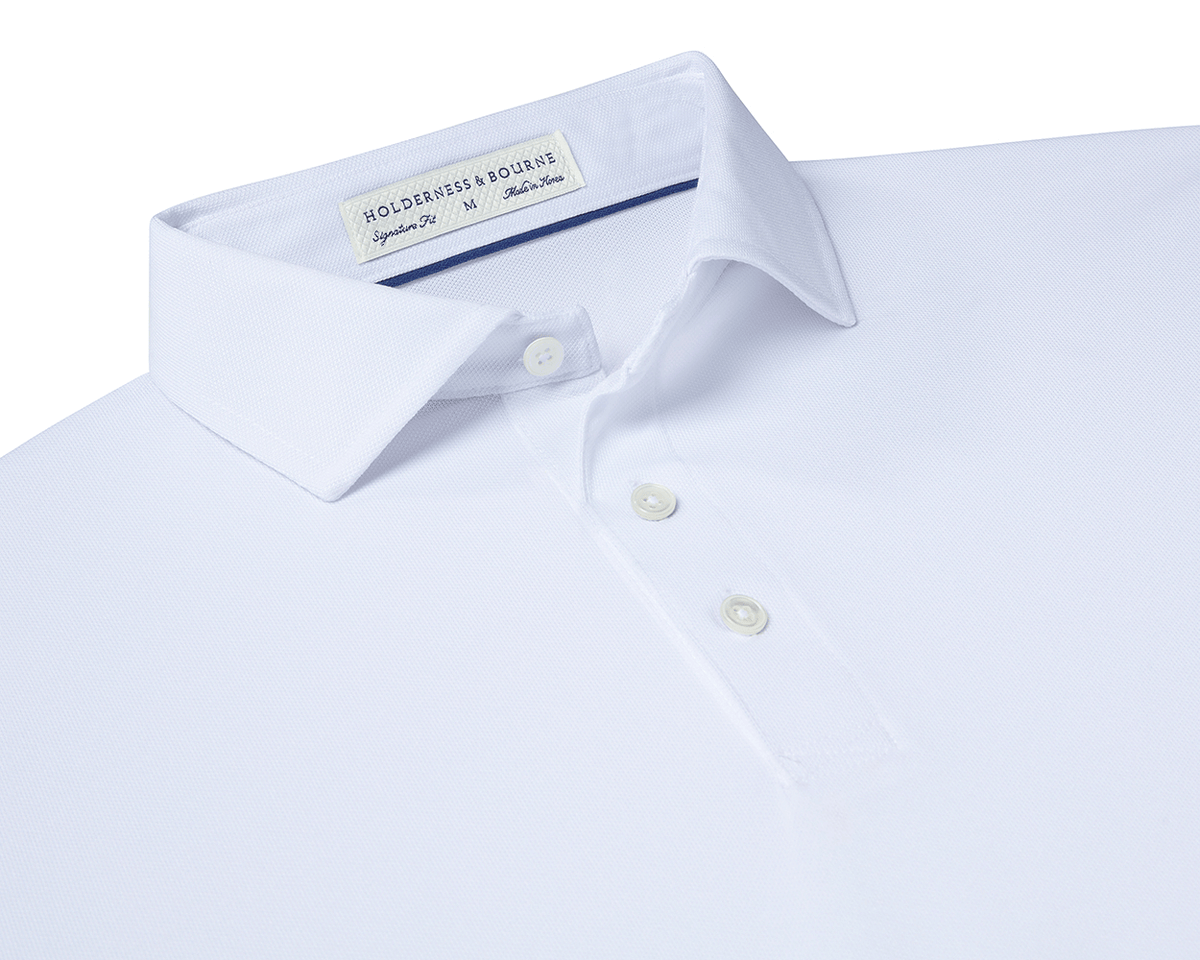
“It took us about a year and a half to do that, working nights and weekends to create a product that had a sharper collar and better fit than what was on the market at the time,” said Holderness, who grew up in Greensboro, North Carolina, and worked in Manhattan and London after receiving his B.A. in economics from the University of North Carolina before heading off to Yale. “It was a polo, and we offered it in three colors. We made 1,000 of them.”
They quit their day jobs in 2014, incorporated their business and started visiting Met area golf and country clubs. Their first call was to Winged Foot, in the Westchester County town of Mamaroneck. The club’s lead assistant golf professional at the time, Grant Sturgeon, liked what he saw enough to place an order. Visits to some of other top retreats in the area, among them Wykagyl, Greenwich and Somerset Hills, produced similarly promising results. And it wasn’t long before the clubs were asking the newest members of the rag trade for more.
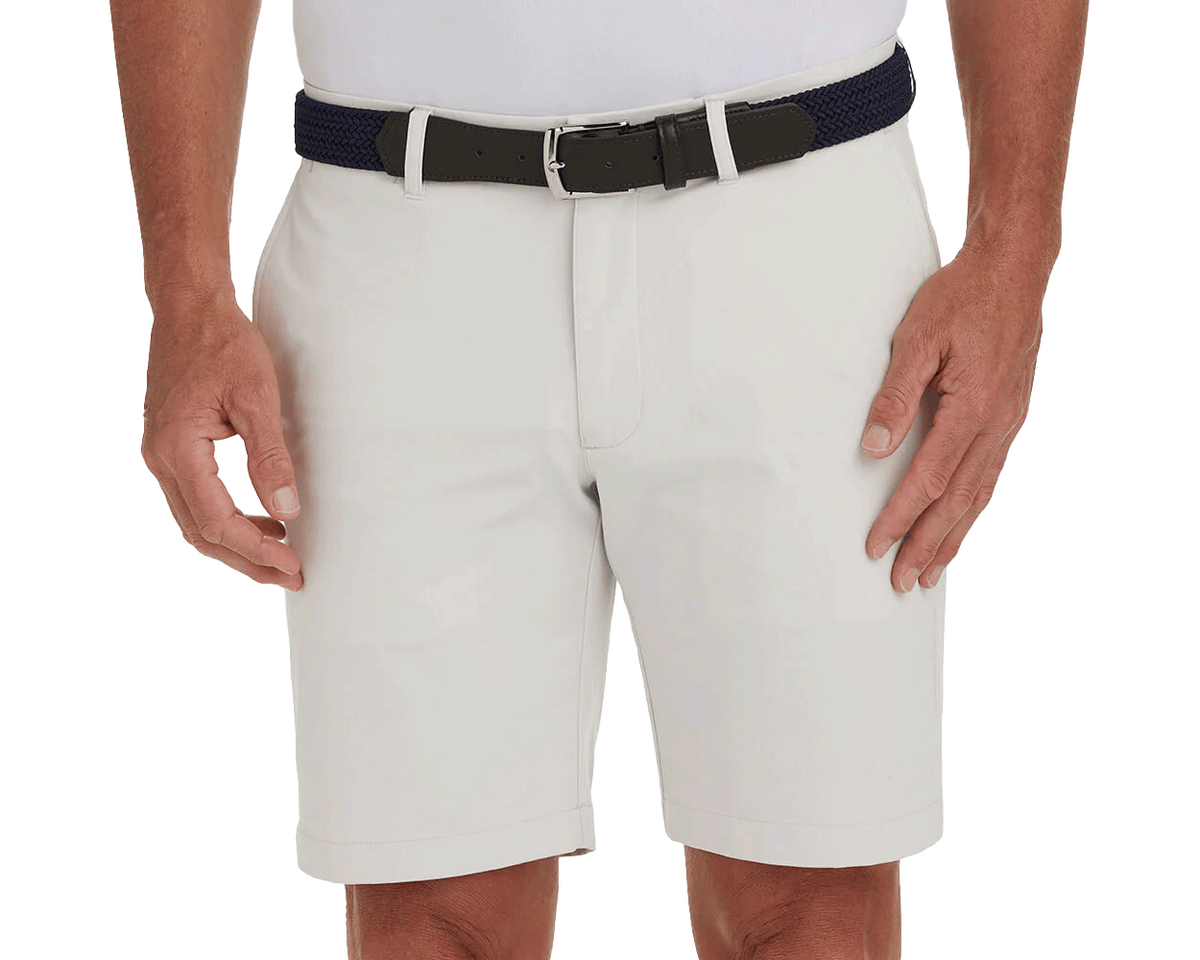
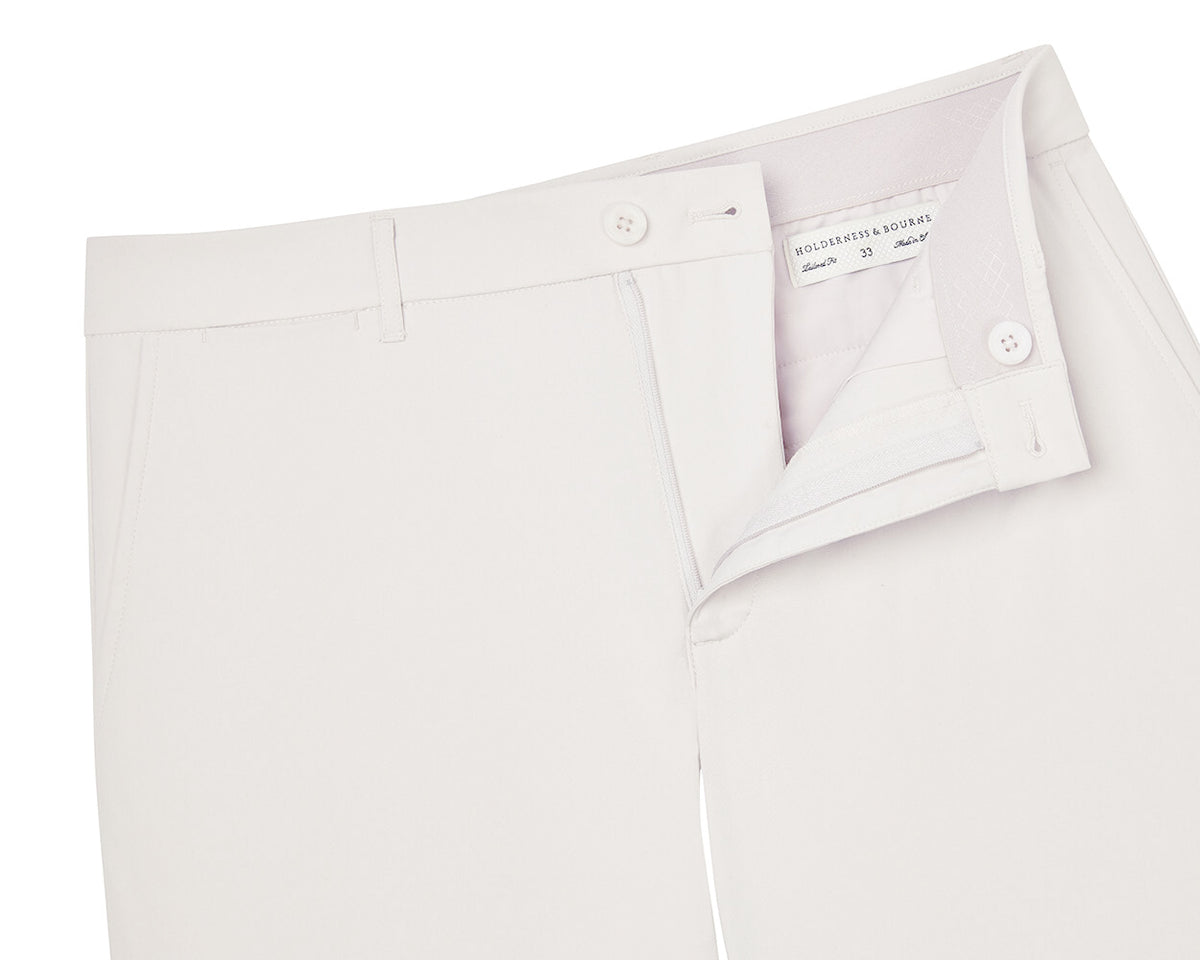
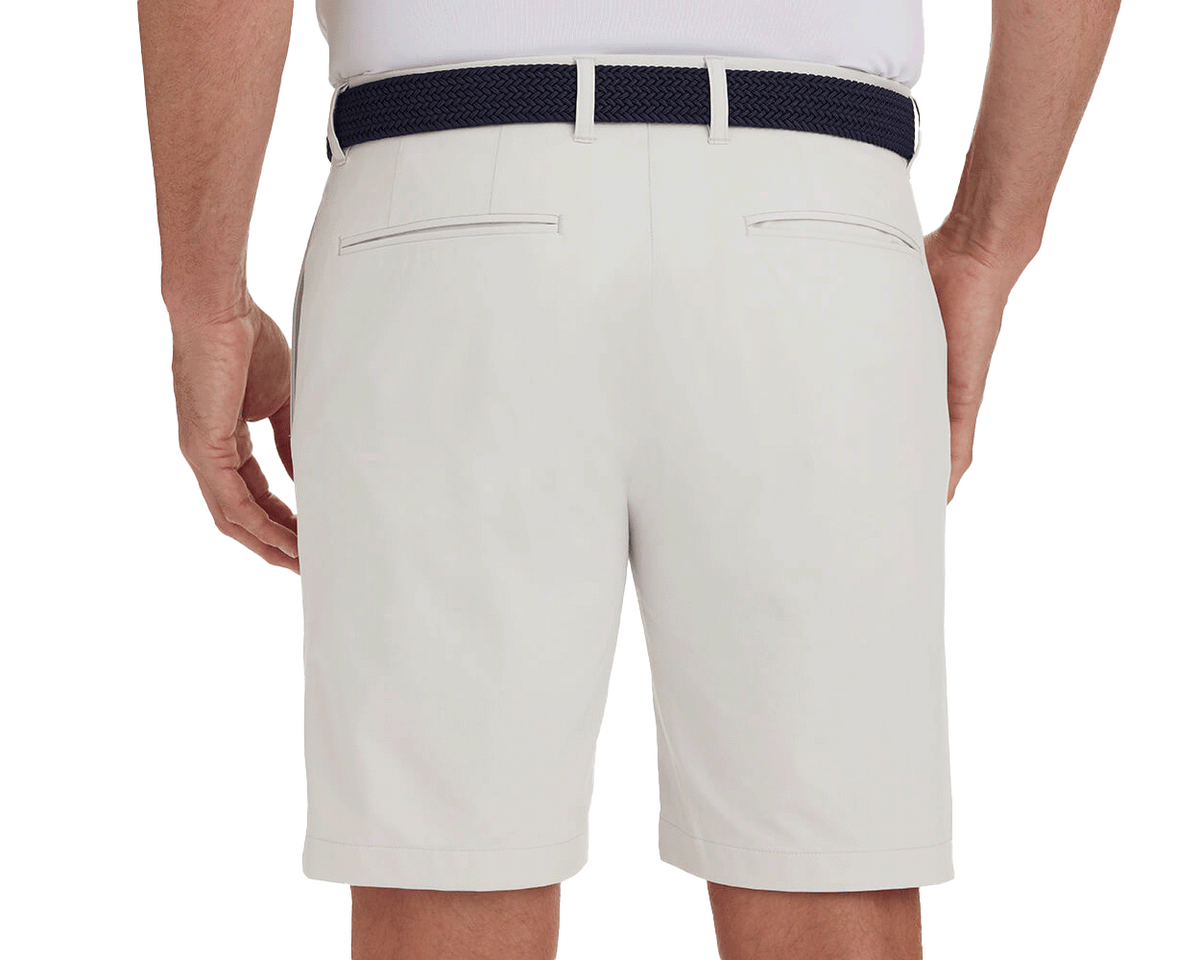
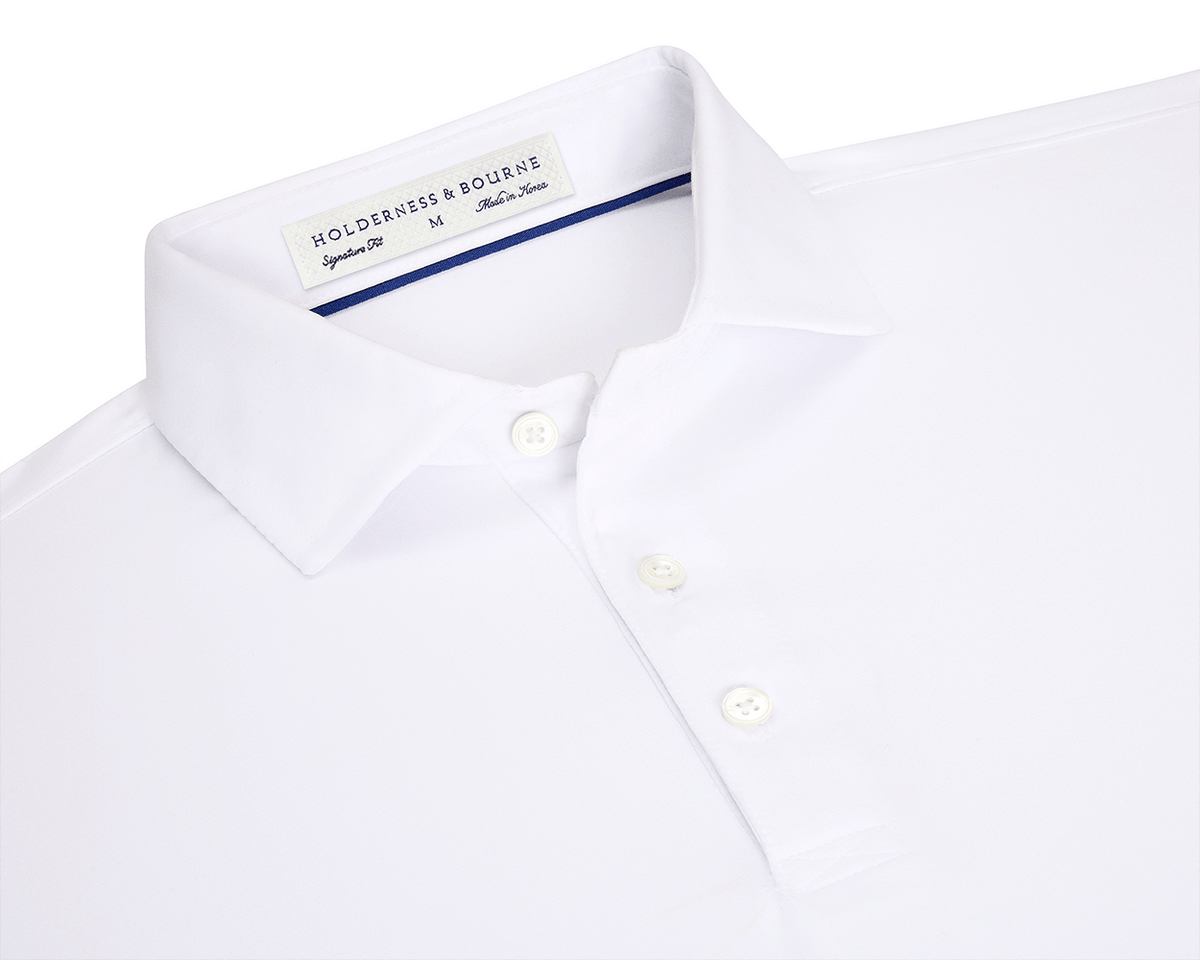
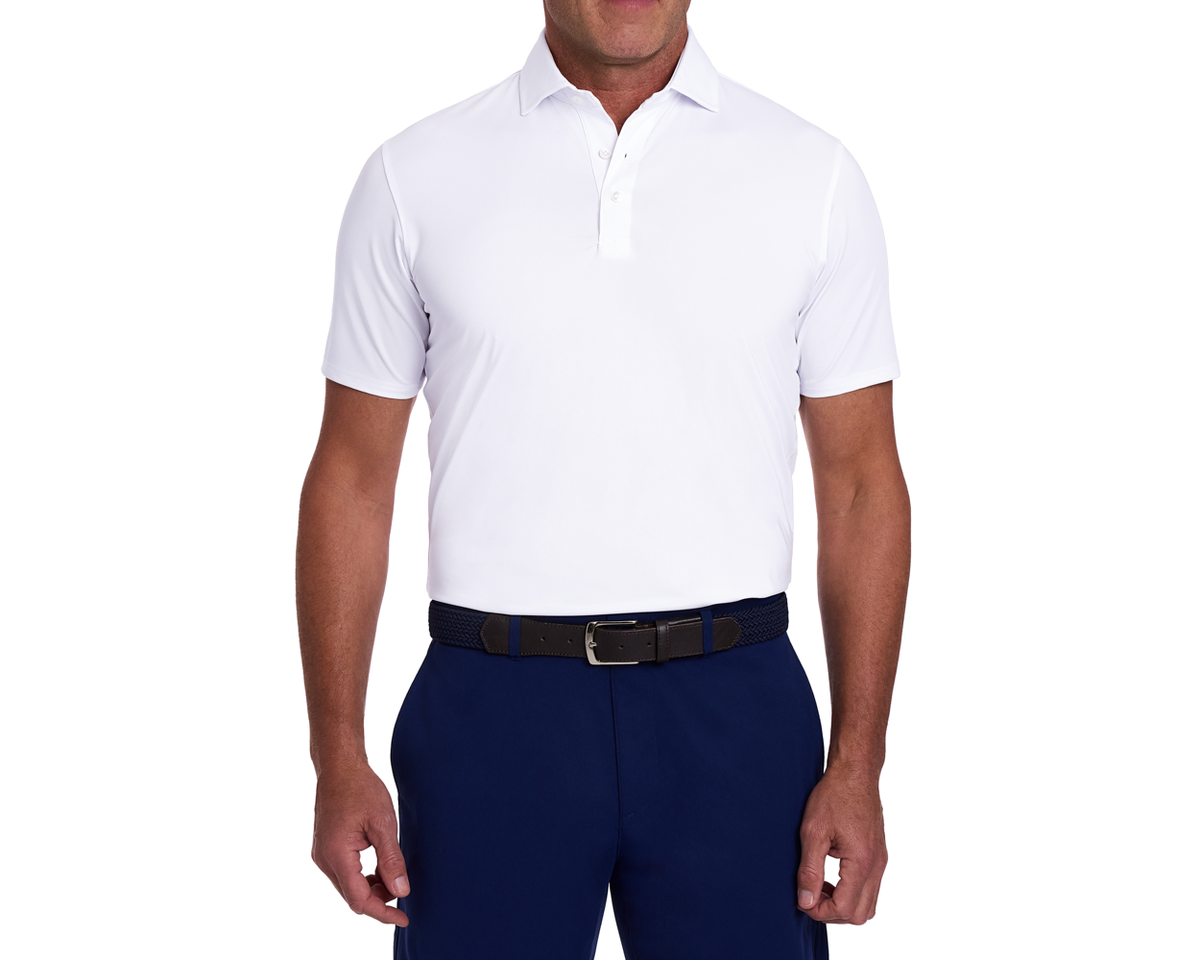
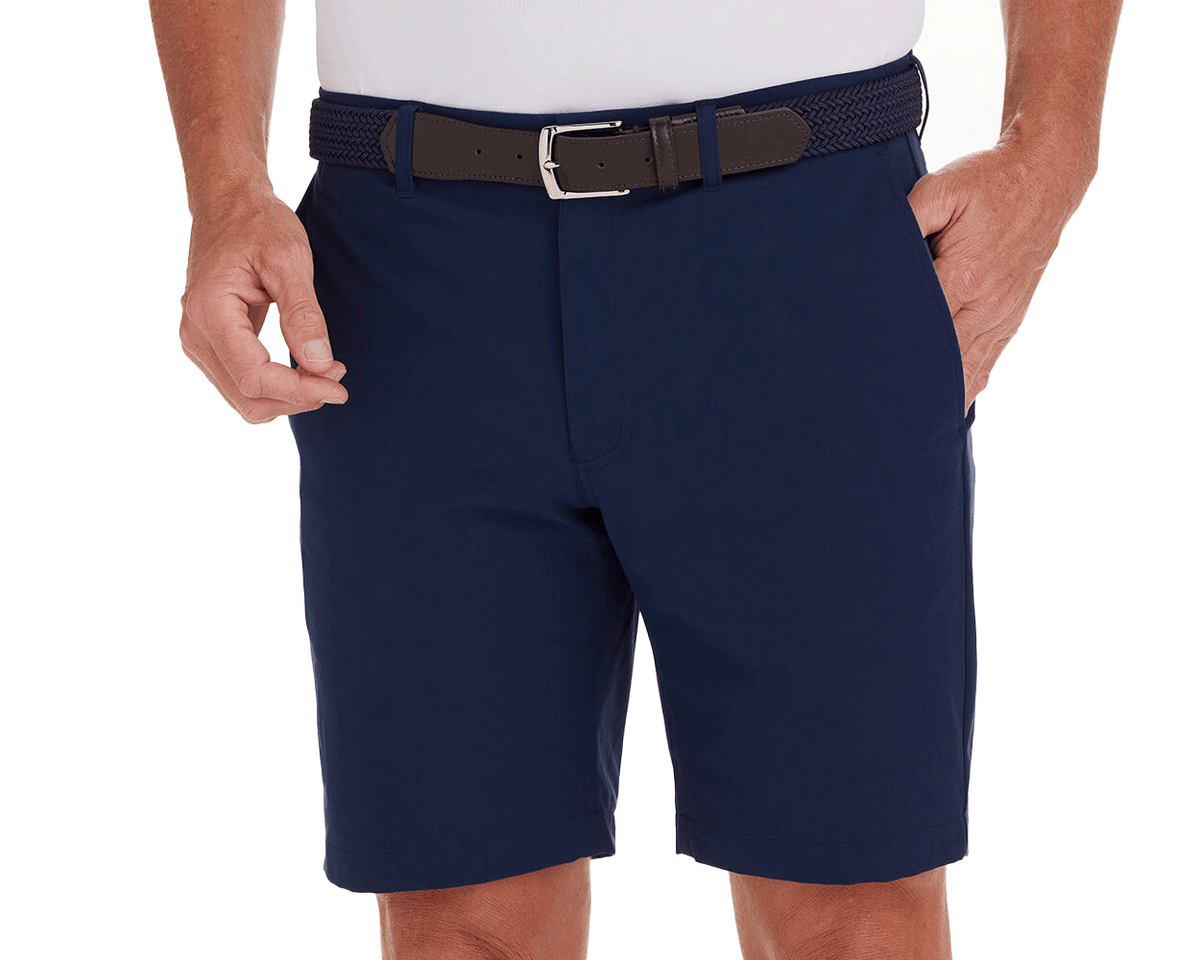
Business steadily grew, and the company today offers a wide range of wares that includes pullovers and outerwear as well as belts, bags and “bottoms,” all of which are designed with the same detail and style as its flagship polo.

Currently, Holderness & Bourne is sold in some 1,500 golf shops in the U.S., most of which are located at highly regarded clubs and resorts, and serviced by a full-time sales team that boasts 70 representatives. The company also has a growing presence in the British Isles and Canada, and its products are also available in such upscale golf outposts as Tara Iti on the North Island of New Zealand and Les Bordes in France’s Loire Valley.
Other signs of growth can be found in the number of employees Holderness & Bourne now has (more than 120) and the fact that the company has needed to move its headquarters three times since its founding, from the one-room office in the Flatiron District it occupied from 2015 to 2018 to the second floor of an old Victorian house in Rye, New York, to the Westchester County town of Armonk, New York, where its corporate team and warehouse operation are now housed in the same facility.
As its customers see it, getting bigger has not in any way kept Holderness & Bourne from also getting better.

“They are one of our best sellers,” said Alex Michielini, an assistant golf professional at The Country Club in Brookline, Massachusetts, and the golf business manager there. “We have grown our inventory with them, and we find that we sell through their products very quickly.”
“What stands out to us is the quality of their pieces as well as the consistency of the fit,” she added.
Michielini is also impressed with the service the company provides and how quickly and efficiently it can replenish inventory, whether through the normal course of the year or during a major championship, such as the 2022 U.S. Open.
“We had a run of layering pieces when the weather turned a bit cold and windy for the weekend of the championship,” said Michielini. “But Alex and John were here on site and able to keep our shelves filled. Anything we needed as far as embroidered merchandise was concerned, they were able to get that done in Armonk and get it to us fast. And we kept selling through what they were offering.”
Will Smith, a co-founder of the Outpost Club golf society as well as the National Links Trust in Washington D.C., is just as impressed.
“Golf apparel is a really tough business, and what they set out to do was a long shot, to be sure,” said Smith, who coincidentally earned an undergraduate degree from Yale but was not there at the same time as Holderness or Bourne. “But they make great products and produce just the sort of thing Outpost Club members want. We sell their wares through our online store and use them for tee gifts all the time.”
Quite appropriately, the founders’ friendship started to take form during rounds of golf at Yale Golf Course, which was designed by Charles Blair Macdonald and Seth Raynor in the mid-1920s and remains one of the most acclaimed classic courses in the country. The lads liked golf, to be sure. But they were also clothes horses who cared a lot about the way they dressed and looked.

Another sentiment that Holderness and Bourne shared was a general dissatisfaction with what they were seeing in the pro shops they frequented. And that led to discussions about what it would take to make a better golf shirt, one with a more structured collar that did not just lay flat, and also a more tailored fit that gradually relaxed out in the bigger sizes, so large and extra-large golfers could wear them as easily and comfortably – and look as stylish – as those who wear smalls and mediums. Durability and the use of first-rate fabrics were key considerations, too. And the ability to handle the entire custom logo process in-house with their own embroidery operation.

Those talks led eventually to that bourbon bender in Manhattan and then to development of the polo shirt they first peddled to Winged Foot.
"We liked following the lead of those great old tailoring houses and the way that putting our names on our products gave us an increased sense of responsibility for everything associated with the brand." - Alex Holderness
An alumnus of Brown University, where he earned an undergraduate degree in modern culture and media, Bourne says that it was probably not until early 2016 that he and his partner had “anything that looked at all like a business.”
But they did have a company name. “And at that point, it was not only what we called the business but also included everyone who worked there,” he added.
“At first, we were not sure what we were going to call ourselves,” said Bourne, who grew up in the golf-rich region of Oyster Bay, New York, on the North Shore of Long Island but did not really get into the game until business school, even though his father, who worked on Wall Street, was a very good player. “In the very beginning, we had code-named the company ‘Project Tillinghast.’ But it was Alex’s wife who pointed out that all of our favorite clothing brands featured the name of the proprietor. So why didn’t we do that ourselves?”
The idea certainly appealed to Holderness, who had found himself spending lots of time when he worked in London in the best shirt-making shops on Jermyn Street, where iconic gentlemen’s apparel companies such as Turnbull & Asser, Hawes & Curtis and Harvie & Hudson are based.
“We liked following the lead of those great old tailoring houses and the way that putting our names on our products gave us an increased sense of responsibility for everything associated with the brand,” said Holderness, who heads up product development at the company.

A decade later, that brand and all that is associated with it is doing very well, thank you very much.
And that’s not just the bourbon speaking.
Read the full article in Global Golf Post.